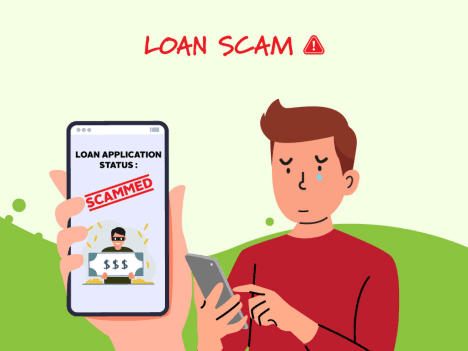
Fake Loan Apps Are Becoming Harder to Spot
Applying for financial services online is more convenient than ever.
You can browse products, submit information, and manage financial transactions without visiting a physical office.
But convenience also creates opportunities for scammers.
Fake loan apps and websites can be designed to look professional and legitimate. Some may even copy the branding, names, or identities of legitimate companies.
That's why borrowers need to know what to check before submitting an application.
1. Check Who Operates the Platform
Before applying, find out who operates the website or application.
Don't rely solely on the name displayed on the website.
For Philippine lending companies and online lending platforms, the Securities and Exchange Commission maintains information and advisories relating to lending companies and online lending platforms.
If you cannot determine who operates the platform, treat that as a warning sign.
2. Be Careful With "Guaranteed Approval"
Be suspicious of claims such as:
Legitimate financial products still have eligibility and assessment requirements.
Approval should never be assumed simply because you submitted an application.
3. Don't Pay Suspicious Upfront Fees
Be extremely careful if someone claiming to represent a lender asks you to send money through an unofficial channel before releasing your loan.
Ask for a clear explanation of:
- What the payment is for
- Whether it appears in the official loan agreement
- Who is receiving the payment
- Whether the request comes through an official channel
If something doesn't make sense, stop and verify first.
4. Check the Website Address
Scammers can create websites that look almost identical to legitimate websites.
Before entering personal information, check:
- Domain name
- Spelling
- HTTPS connection
- Contact information
- Official social-media accounts
- Links to official regulatory information
Don't assume that a website is legitimate just because it has a professional design.
5. Never Share Your OTP or Password
Your one-time password is designed to authenticate a transaction or account action.
Don't share it with someone who contacts you through:
- SMS
- Facebook Messenger
- Telegram
- Phone calls
BSP specifically advises consumers not to share sensitive credentials such as passwords and emphasizes protection against phishing and other scams.
6. Watch Out for Pressure
Scammers often create urgency. For example:
A legitimate financial decision should give you enough time to understand what you're accepting.
What Should You Do If You're Unsure?
Stop the transaction.
Don't send money.
Don't provide additional information.
Verify the company through its official website and official regulatory resources.
Final Thoughts
Online financial services can be convenient, but convenience should never replace verification.
Before applying for a loan online:
Check the company. Check the website. Check the terms. Protect your personal information. Never share your OTP or password.
A few minutes of verification can prevent a much bigger problem later.
Was this article helpful?