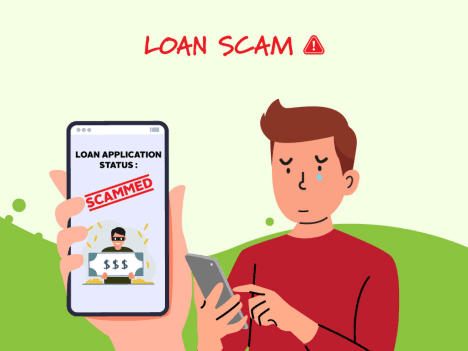
Scams Are Getting More Convincing
Online scams aren't what they used to be.
Scammers can now use increasingly sophisticated tools to create convincing messages, images, audio, and other content.
Artificial intelligence can make fraudulent communication appear more realistic.
That means the old rule of "It looks fake, so it must be fake" doesn't work as well anymore.
What Can AI Make Possible?
Depending on the tools being used, scammers may create:
- Convincing text messages
- Fake customer-service conversations
- Synthetic voices
- Fake profile pictures
- Edited videos
- Personalized phishing messages
The technology itself isn't necessarily malicious.
The problem is how criminals use it.
Don't Trust a Voice Alone
Imagine receiving a call that sounds exactly like someone you know.
They tell you: "I need money urgently."
Instead of immediately sending money, verify through another channel.
For example, contact the person through a known phone number or an existing conversation.
Don't Trust Screenshots
A screenshot showing a payment, approval, conversation, or transaction isn't necessarily proof that something happened.
Screenshots can be edited.
When dealing with financial transactions, verify information through the official application, website, or account.
Be Careful With "Urgent" Messages
Scams often rely on urgency. Examples:
Stop before acting.
Open the official application or website yourself instead of clicking the message link.
Protect Your Financial Information
Never casually share:
- Passwords
- OTPs
- PINs
- Card security codes
- Banking credentials
- Complete account information
BSP continues to warn consumers about phishing, identity theft, text scams, and other forms of fraud.
Use the "Second Channel" Rule
If a message asks you to do something involving money, verify it through a second channel.
For example: Message → Don't click → Open official app → Check account
or: Phone call → Hang up → Call official number → Verify
This simple habit can prevent many scams.
Final Thoughts
Technology is becoming better at creating convincing content.
Your defense should therefore become better too.
Don't trust something simply because it looks professional, sounds familiar, or creates urgency.
Verify before you pay. Verify before you click. Verify before you share information.
Was this article helpful?